Summer-Ready Parents: Intermediate First Aid Skills to Master Before the Season Begins
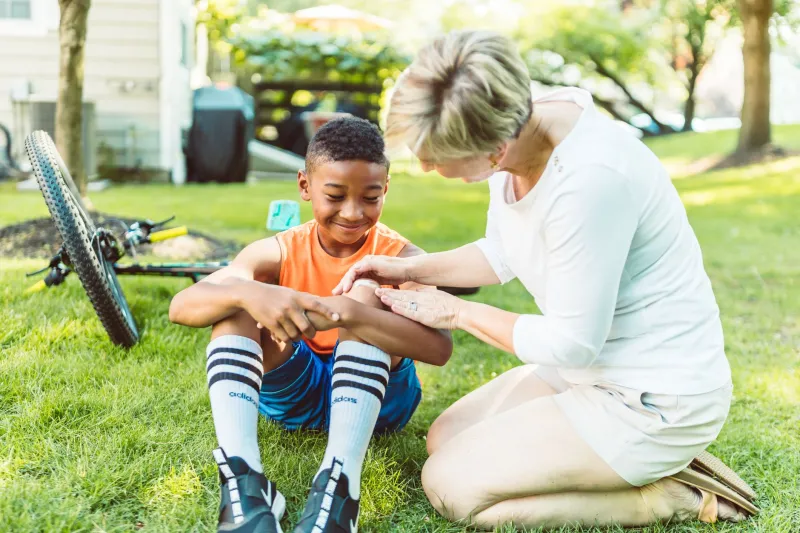
Every spring, millions of American families begin planning their summer — youth sports leagues, day camps, lake trips, neighborhood cookouts. What fewer families plan for are the emergencies that statistically accompany those activities. A child chokes on a hot dog at a Fourth of July picnic. A teenager collapses during soccer practice on a ninety-degree afternoon. A deep cut from a broken bottle at the beach soaks through a beach towel in minutes.
Basic first aid courses teach the fundamentals, and those fundamentals matter. But the gap between "I took a class once" and "I knew exactly what to do" is often filled by intermediate knowledge — the kind that addresses real, high-stakes scenarios with practical, step-by-step clarity. This guide is designed to help parents close that gap before summer arrives.
Controlling Severe Bleeding: Moving Beyond the Basics
Most parents know to apply pressure to a wound. Far fewer know what to do when that pressure is not enough — when blood saturates bandages quickly, when a wound is deep and jagged, or when the injured person is a child who is frightened and moving.
Wound packing is a technique gaining prominence in civilian first aid training following its widespread adoption in military and tactical medicine. For deep wounds — particularly puncture wounds or lacerations in areas like the thigh or armpit where a tourniquet cannot be applied — packing the wound with gauze and maintaining firm, sustained pressure can be life-saving. Hemostatic gauze, which contains agents that accelerate clotting, is now available in consumer first aid kits and is worth including in any family emergency supply.
Tourniquets are appropriate for life-threatening bleeding from a limb when direct pressure is failing. The American College of Surgeons endorses their use in civilian settings, and research has consistently shown that properly applied tourniquets save lives without the tissue damage once feared. A commercial tourniquet such as the CAT (Combat Application Tourniquet) or SOFT-T Wide can be purchased inexpensively and stored in a car kit or camp bag. Critically, you must note the time of application on the device or on the patient's skin, as this information guides medical personnel.
Key principles for severe bleeding:
- Apply firm, uninterrupted pressure for a minimum of five minutes before checking the wound
- Do not remove soaked dressings; add new material on top
- Keep the injured person as still and calm as possible
- Call 911 for any bleeding you cannot control within a few minutes
Heat Exhaustion vs. Heat Stroke: A Distinction That Cannot Wait
Summer heat is a genuine medical threat in the United States. The CDC estimates that heat-related illness causes hundreds of deaths annually, with young children and athletes at elevated risk. Parents must understand the difference between heat exhaustion — serious but manageable — and heat stroke, which is a life-threatening emergency.
Heat exhaustion presents with heavy sweating, cool and pale skin, a fast but weak pulse, nausea, muscle cramps, and fatigue. The person may feel faint or dizzy. Critically, they are still sweating, which indicates the body's cooling mechanisms are still functioning. Treatment involves moving the person to a cool environment immediately, removing excess clothing, applying cool (not ice-cold) wet cloths to the skin, and encouraging slow sips of water or a sports drink if they are alert and able to swallow. Most people recover fully with prompt intervention.
Heat stroke is an entirely different situation. The body's temperature regulation has failed, and core temperature rises dangerously — above 104°F (40°C). Warning signs include hot and red skin that may be dry or damp, a rapid and strong pulse, confusion, slurred speech, and loss of consciousness. This person is no longer sweating effectively, or has stopped sweating altogether. Heat stroke is a medical emergency. Call 911 immediately.
While awaiting emergency services, begin aggressive cooling:
- Move the person to the coolest available environment
- Apply ice packs or cold wet cloths to the neck, armpits, and groin — areas with large blood vessels close to the surface
- Fan the person continuously to enhance evaporative cooling
- Do not give fluids to someone who is confused or unconscious
The distinction is this: a person with heat exhaustion is still alert and sweating. A person with heat stroke is altered, flushed, and may have stopped sweating. When in doubt, treat the situation as heat stroke and call for help.
Choking in Children: Technique Adjustments That Matter
Choking is among the most frightening emergencies a parent can face, and the correct response depends on the child's age and level of distress. Summer gatherings — with hot dogs, grapes, popcorn, and other high-risk foods — present a statistically elevated choking environment.
For children over one year of age who are conscious and cannot cough, speak, or cry effectively, the Heimlich maneuver is the standard intervention. Stand or kneel behind the child, place a fist just above the navel and below the breastbone, cover it with your other hand, and deliver firm, upward abdominal thrusts. Repeat until the object is expelled or the child loses consciousness.
For infants under twelve months, the Heimlich maneuver is not appropriate. Instead, use a combination of five firm back blows between the shoulder blades (with the infant face-down on your forearm) followed by five chest thrusts (with the infant face-up, using two fingers on the lower half of the breastbone). Alternate between these two techniques until the airway is cleared.
If the child loses consciousness, lower them carefully to the ground and begin CPR. Each time you open the airway to deliver rescue breaths, look in the mouth for a visible object before attempting ventilation. Do not perform blind finger sweeps, which can push an object deeper.
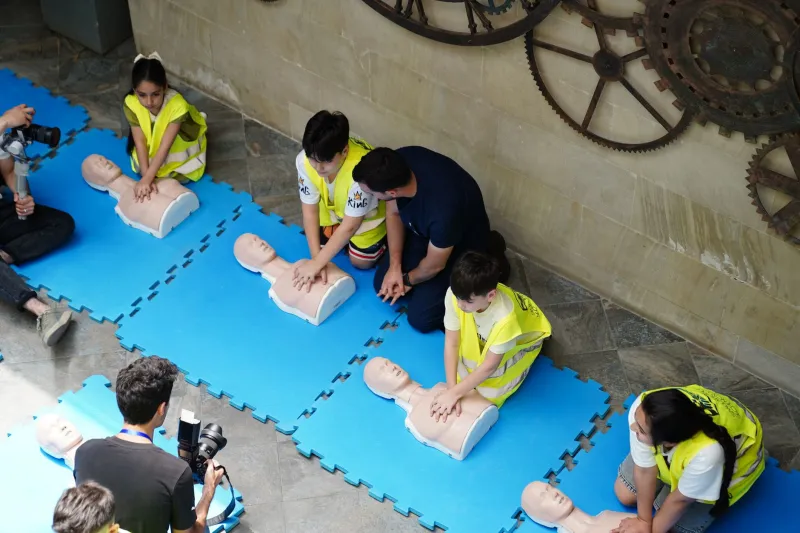
Parents who have completed a pediatric CPR and first aid course through the American Red Cross or American Heart Association will be far better prepared to execute these techniques under pressure. Knowing the steps intellectually is valuable; practicing them on a mannequin is transformative.
Building Your Summer Emergency Kit
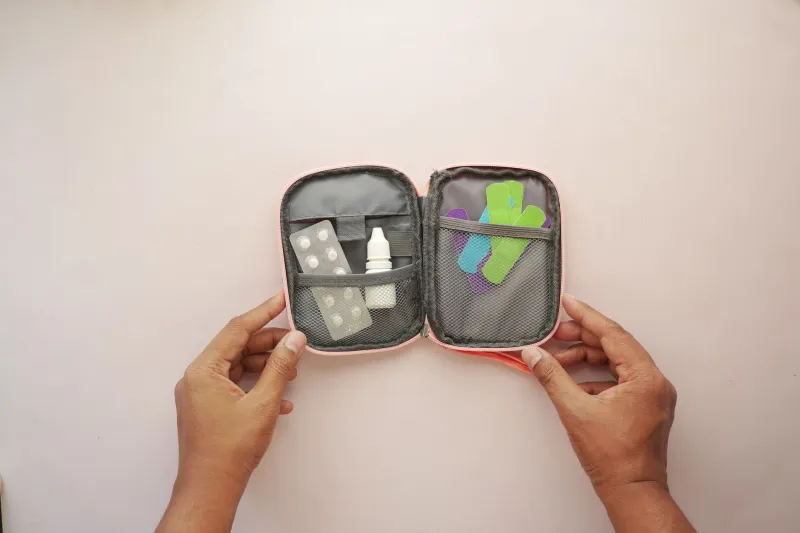
Intermediate first aid knowledge is most effective when paired with appropriate supplies. For summer outings, consider adding the following to your standard kit:
- Hemostatic gauze and a commercial tourniquet
- A digital thermometer capable of reading elevated temperatures accurately
- Extra electrolyte packets or oral rehydration salts
- Instant cold packs for both injury management and heat emergencies
- A pediatric airway reference card if you have young children
- Waterproof adhesive bandages and medical tape suitable for sweaty or wet skin
Store a version of this kit in your vehicle, and consider a smaller version for a day pack when hiking, camping, or attending outdoor events.
The Preparedness Mindset Every Parent Can Adopt
The skills outlined here are not reserved for medical professionals or wilderness survival experts. They are practical, learnable, and directly applicable to the environments American families inhabit every summer. What separates a parent who responds effectively from one who freezes is not talent — it is prior knowledge and a willingness to act.
Save Heroes encourages every parent to take a certified first aid refresher course before Memorial Day weekend, review pediatric-specific protocols, and share what they learn with other caregivers in their household. The more people in any given environment who hold this knowledge, the safer that environment becomes for everyone — especially the children in it.