A Life in Your Hands: How Ordinary Americans Can Reverse an Opioid Overdose with Naloxone
Photo: person administering Narcan naloxone nasal spray opioid overdose emergency response, via fastpng.com
In 2022, more than 80,000 Americans died from opioid-related overdoses—a figure that represents not only a public health emergency, but also tens of thousands of moments when a bystander with the right knowledge and the right medication might have intervened in time. The opioid crisis touches every corner of the United States, from rural communities in Appalachia to urban neighborhoods in major cities. It does not spare any demographic, income level, or zip code.
At Save Heroes, we hold a foundational belief: that saving a life should never be the exclusive domain of trained medical professionals. Naloxone—a medication that rapidly reverses opioid overdose—is safe, effective, and increasingly available to the general public. This article is written for the neighbor, the coworker, the parent, and the passerby who may one day encounter an overdose and wonder what to do next.
Understanding What Happens During an Opioid Overdose
Opioids—including prescription medications such as oxycodone and hydrocodone, as well as illicit drugs like heroin and illicitly manufactured fentanyl—work by binding to receptors in the brain that regulate pain and breathing. In an overdose, this binding effect becomes overwhelming. The brain's signal to breathe slows dramatically, and without intervention, the person will stop breathing entirely.
This process is not instantaneous. There is typically a window of time during which a bystander can recognize what is happening and take action. Understanding that window—and knowing how to use it—is what this guide is designed to teach.
Recognizing the Signs of Opioid Overdose
Overdose can look different depending on the specific substance involved and the individual's physiology, but there are several consistent warning signs that bystanders should learn to identify.
Key indicators of an opioid overdose include:
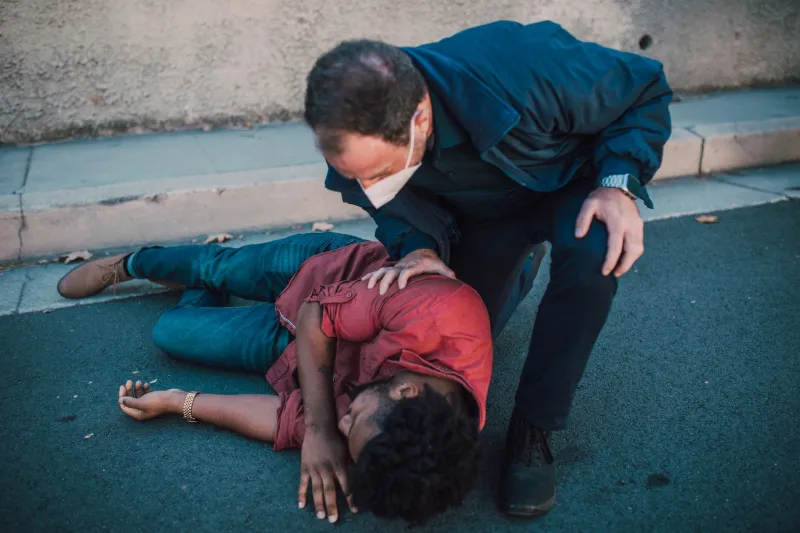
- Unconsciousness or extreme unresponsiveness—the person cannot be woken by calling their name, shaking their shoulders, or applying a firm knuckle rub to the sternum
- Slow, shallow, or stopped breathing—fewer than one breath every five seconds is a serious warning sign
- Choking, gurgling, or snoring sounds that indicate the airway is partially obstructed
- Blue or grayish lips, fingernails, or skin (a condition called cyanosis, indicating oxygen deprivation)
- Pinpoint pupils—extremely small, constricted pupils even in low light
- Limpness of the body
- Pale or clammy skin
If a person is present but extremely drowsy, slurring their words, or nodding in and out of consciousness, they may be on the verge of an overdose. This state—sometimes called being "on the nod"—warrants close monitoring and preparation to act.
The First Step Is Always 911
Before administering naloxone, call 911. Provide the dispatcher with your location, a description of the person's condition, and any information you have about what substances may have been involved. Emergency responders need to be en route regardless of whether naloxone is available, because the medication's effects are temporary and additional medical care is nearly always required.
Many Americans hesitate to call 911 in overdose situations out of fear that they or the person experiencing the overdose will face legal consequences. This concern is understandable—and it is addressed by law.
Good Samaritan Laws: Legal Protection for Those Who Help
As of 2024, all 50 U.S. states and the District of Columbia have enacted some form of Good Samaritan law that provides legal protections to individuals who call for help during a drug overdose. The scope of these protections varies by state—some cover only the caller, while others extend protection to the person experiencing the overdose—but the overarching message from lawmakers is clear: saving a life takes precedence over prosecution.
Before an emergency occurs, it is worth familiarizing yourself with the specific Good Samaritan provisions in your state. The Network for Public Health Law maintains an updated, state-by-state summary of these protections at no cost.
How to Obtain Naloxone
Naloxone is available in the United States without a prescription at most major pharmacy chains, including CVS, Walgreens, and Walmart, as well as many independent pharmacies. It is sold under the brand name Narcan (nasal spray) and Kloxxado, among others, and is also available in a generic injectable form.
Additional sources include:
- Community health organizations and harm reduction programs, many of which distribute naloxone at no cost
- State and local health departments, which often run naloxone distribution initiatives
- NEXT Distro and similar mail-based programs, which ship naloxone to residents of participating states
- SAMHSA's helpline (1-800-662-4357), which can connect callers with local resources
Cost should not be a barrier. Most insurance plans, including Medicaid, cover naloxone, and numerous programs exist specifically to ensure that uninsured individuals can access it.
Administering Naloxone: Step-by-Step Instructions
The most widely available form of naloxone for lay responders is the nasal spray (Narcan), and the following instructions apply to that format. If you have obtained injectable naloxone, follow the training provided with your kit or from the distributing organization.
Step 1: Confirm unresponsiveness. Call out to the person, shake their shoulders, and attempt to rouse them. If they do not respond, proceed immediately.
Step 2: Call 911. Make the call while preparing to administer naloxone. Do not delay one for the other.
Step 3: Position the person. Lay them on their back. Tilt their head back slightly to open the airway.
Step 4: Administer the nasal spray. Peel back the foil on the Narcan package. Hold the device with your thumb on the bottom and two fingers on either side of the nozzle. Insert the nozzle into one nostril and press the plunger firmly to deliver the full dose.
Step 5: Monitor and repeat if necessary. Naloxone typically begins to work within two to five minutes. If the person does not respond and a second dose is available, administer it in the other nostril after two to three minutes. If they stop breathing at any point and you are trained in rescue breathing or CPR, begin that process immediately.
Step 6: Place them in the recovery position. Once breathing resumes, roll the person onto their side to prevent choking if they vomit. Stay with them until emergency services arrive.
Step 7: Be prepared for withdrawal symptoms. Naloxone temporarily displaces opioids from receptors, which can cause the person to wake up in acute withdrawal—agitated, confused, and potentially aggressive. Speak calmly, explain that you helped them, and do not leave them alone.
Carrying Naloxone Is an Act of Community Care
Keeping naloxone in your home, your car, or your bag is not an endorsement of drug use. It is an acknowledgment that overdoses happen in proximity to people who care—family members, friends, neighbors, and strangers—and that the presence of this medication dramatically improves the odds of survival.
Consider sharing what you have learned with those around you. Talk to your family. Raise the topic at your place of worship, your workplace wellness program, or your neighborhood association. Communities that normalize naloxone access and overdose response training are communities that lose fewer people to this crisis.
The opioid epidemic will not be resolved by any single medication or any single policy. But it can be slowed—one intervention at a time, by one prepared individual at a time. That is what everyday heroism looks like in the face of a public health emergency of this magnitude. And it begins with you.