Not Just Chest Pain: The Heart Attack Warning Signs in Women That Every Prepared American Should Recognize
When most people imagine a heart attack, they picture a man suddenly grabbing his chest and collapsing. That image, while not entirely inaccurate, has quietly contributed to a dangerous gap in public health awareness—one that costs thousands of American women their lives each year. According to the American Heart Association, heart disease is the leading cause of death among women in the United States, yet women are significantly more likely than men to be misdiagnosed or to delay seeking treatment. The reason, in large part, is that their symptoms frequently do not match the textbook presentation taught in basic first aid courses.
At Save Heroes, we believe that truly empowering a community means closing that knowledge gap. Recognizing a cardiac emergency in a woman—whether she is your mother, your neighbor, your colleague, or a stranger on the street—requires a broader understanding of what a heart attack can look like. That preparedness begins here.
Why Women's Heart Attacks Are So Frequently Missed
The disparity in recognition begins with biology. Women's coronary arteries tend to be smaller than men's, and the pattern of arterial disease that leads to a heart attack can differ substantially. While men more commonly experience a sudden, complete blockage of a major artery—the so-called "Hollywood heart attack"—women are more likely to experience blockages in smaller vessels or a condition called spontaneous coronary artery dissection (SCAD). These differences influence the symptoms that arise, making them subtler and easier to attribute to less urgent causes.
Social factors compound the problem. Women are statistically more likely to downplay their own symptoms, attributing discomfort to stress, indigestion, or fatigue. Bystanders and even medical professionals may be less likely to immediately suspect cardiac distress in a woman who does not appear to be in dramatic pain. Every person in a community who understands the full range of cardiac warning signs becomes a potential lifesaver.
The Warning Signs You Need to Know
The following symptoms, individually or in combination, may indicate that a woman is experiencing a heart attack. Crucially, classic crushing chest pain may be absent entirely.
Unusual fatigue is among the most commonly reported symptoms in women who have survived heart attacks. This is not ordinary tiredness—it is an overwhelming, sudden exhaustion that feels disproportionate to any recent activity. A woman who was functioning normally an hour ago may suddenly feel as though she cannot lift her arms.
Shortness of breath without exertion is another significant indicator. If a woman appears to be struggling to breathe while at rest or during minimal activity, this warrants immediate concern.
Discomfort in the jaw, neck, or upper back is frequently reported by women experiencing cardiac events. Unlike the left-arm pain more commonly associated with male heart attacks, this discomfort may radiate upward into the jaw or feel like a dull ache across the upper back between the shoulder blades.
Nausea or vomiting can accompany a heart attack in women and is often mistaken for a gastrointestinal issue, leading to dangerous delays in calling for help.
Dizziness or lightheadedness, particularly when combined with any of the above symptoms, should never be dismissed. A sudden sense of being faint or unsteady—without an obvious cause such as dehydration or standing up too quickly—deserves serious attention.
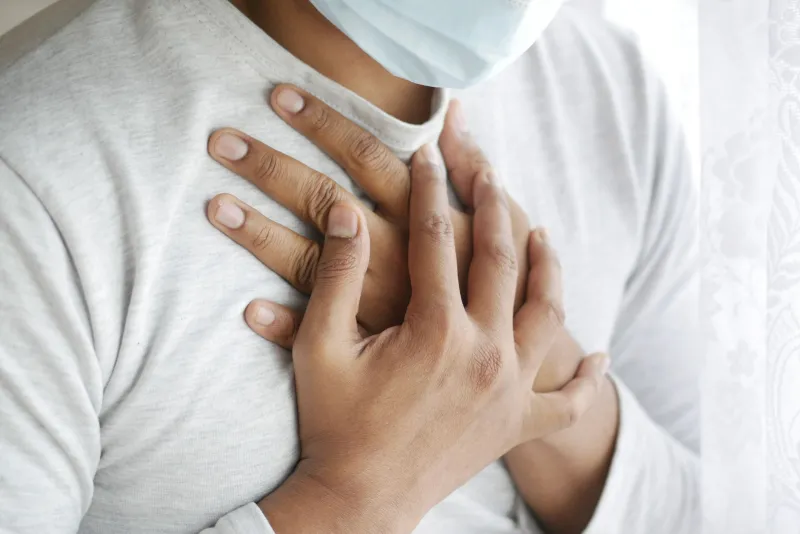
Pressure, squeezing, or fullness in the chest may still occur, but the sensation is often described as less intense than the severe pain men typically report. Some women describe it as a tightening or a feeling of pressure rather than sharp pain.
How to Respond: A Clear Course of Action
If you observe one or more of these symptoms in a woman—or if she reports them herself—the following steps can save her life.
Step 1: Take the symptoms seriously. Do not wait to see if the discomfort passes. The instinct to minimize or explain away symptoms is one of the most dangerous responses to a potential cardiac emergency. Err firmly on the side of caution.
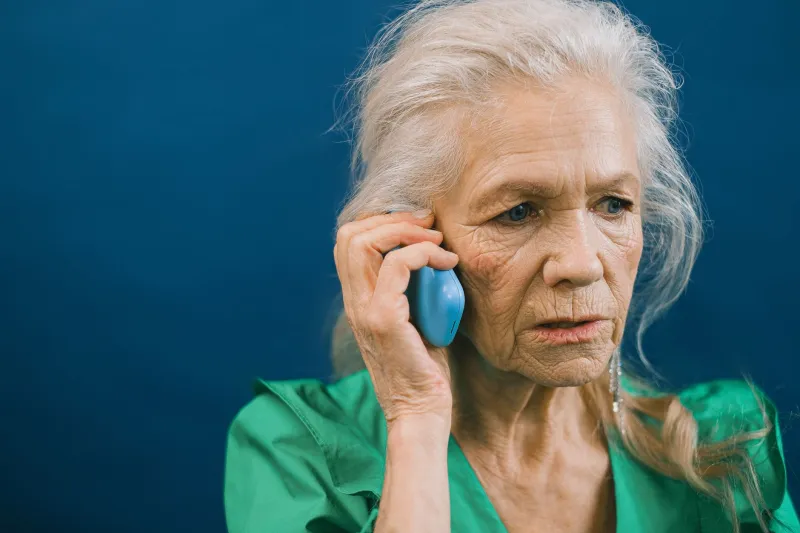
Step 2: Call 911 immediately. Do not drive the person to the hospital yourself unless you are explicitly instructed to do so by emergency services. Paramedics can begin life-saving interventions in the ambulance and alert the receiving hospital, which can significantly improve outcomes.
Step 3: Help her rest in a comfortable position. Assist her in sitting or lying down in whatever position feels most comfortable. Loosen any restrictive clothing around the neck or chest.
Step 4: If she is conscious and not allergic to aspirin, offer one regular-strength (325 mg) or four low-dose (81 mg) aspirin tablets. Instruct her to chew, not swallow, the tablets. This can help limit clot formation. Always confirm there is no allergy or contraindication before administering.
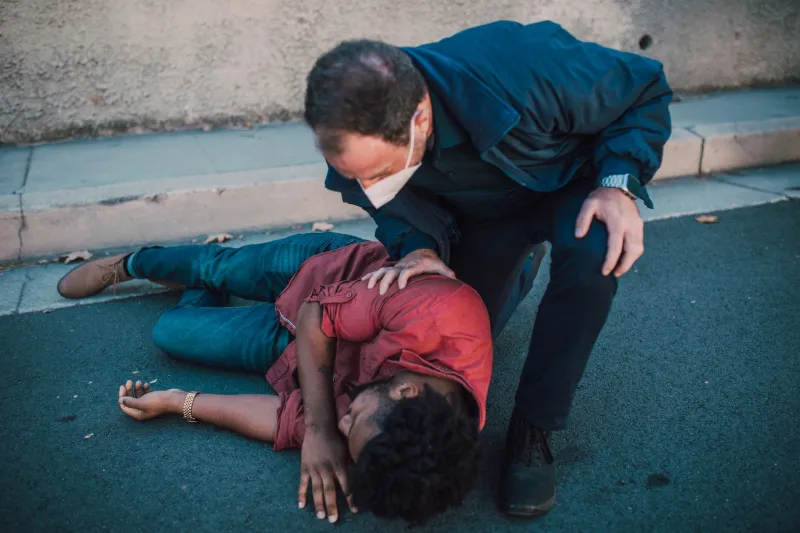
Step 5: Stay with her and monitor her condition. Keep her calm, speak reassuringly, and be prepared to perform CPR if she loses consciousness and stops breathing normally. If you have not received CPR training, the 911 dispatcher can guide you through the process.
Step 6: Unlock the front door if you are indoors. This allows paramedics to enter quickly without delay.
Becoming a More Prepared Community Member
Knowledge is the foundation of every heroic act. Sharing this information with the people around you—at family gatherings, neighborhood meetings, faith communities, and workplaces—multiplies its impact. Consider encouraging the women in your life to discuss their personal cardiac risk factors with a physician, particularly if they have a family history of heart disease, are postmenopausal, or have conditions such as diabetes or hypertension that increase risk.
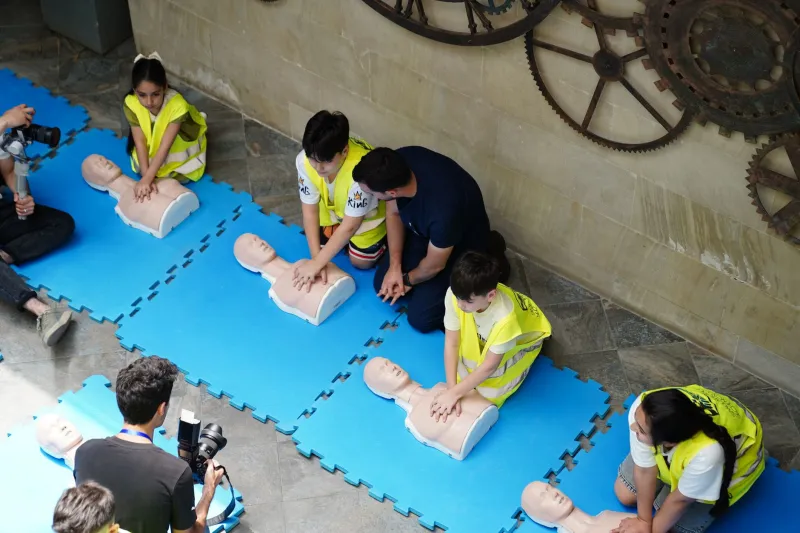
Formal CPR and first aid training is equally important. Many local American Red Cross chapters, community hospitals, and fire departments offer accessible courses that take only a few hours to complete. Being certified means that if the moment arrives when action is needed, hesitation will not cost a life.
At Save Heroes, we are committed to the belief that prepared communities are safer communities. Every person who learns to recognize the signs of a cardiac emergency in a woman is one more guardian standing ready when seconds truly count.