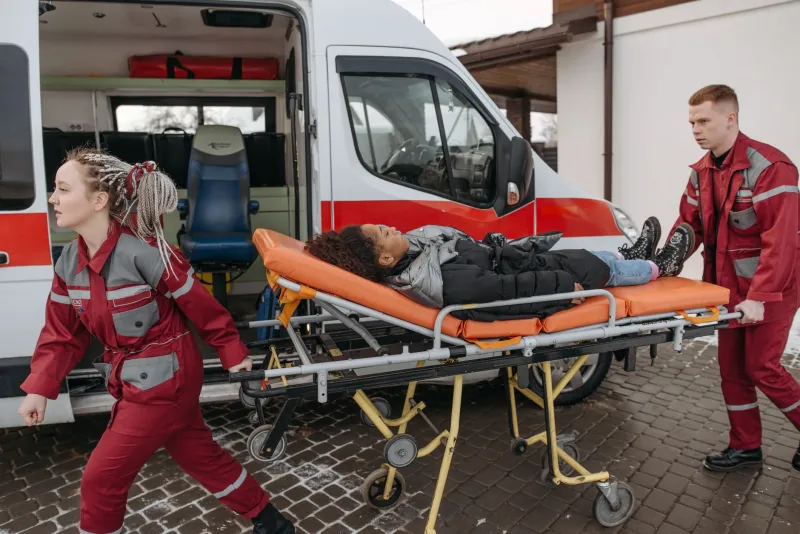
After the Call: How to Be a Lifesaver in the Minutes Before the Ambulance Arrives
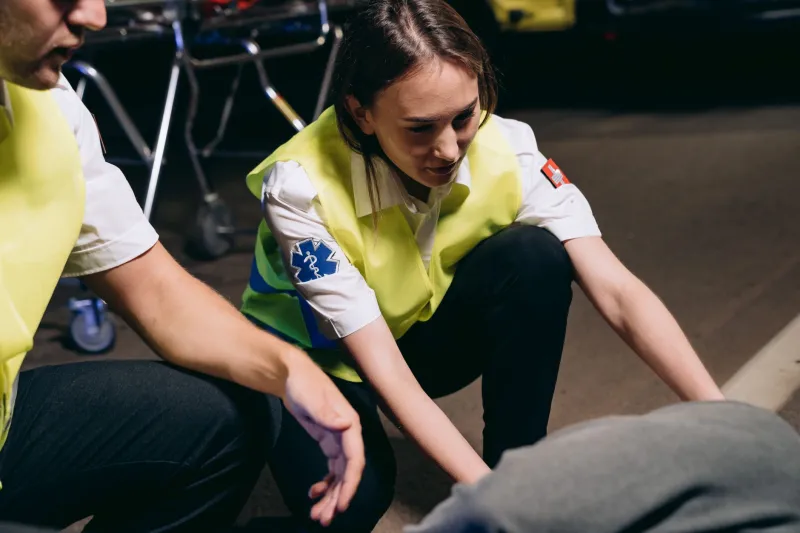
The moment most people dial 911, something unexpected happens: relief. The act of calling for help triggers a psychological release that can, paradoxically, cause a bystander to disengage from the emergency unfolding right in front of them. The phone goes back in the pocket. The hands fall to the sides. And for the next several minutes—minutes that emergency medicine professionals consider among the most critical in any trauma or medical crisis—the person who could be doing the most good stands frozen, waiting.
This is one of the most underexamined problems in bystander emergency response. Training programs rightly emphasize calling 911, but they often fail to address what comes next. The result is a dangerous gap: a window of time during which a prepared, calm, and informed bystander can dramatically alter outcomes—but frequently does not.
At Save Heroes, our mission is to close that gap. Understanding what to do in the minutes before paramedics arrive is not optional knowledge for the prepared American. It is essential.
Why Those Minutes Matter More Than Most People Realize
The average emergency medical services (EMS) response time in the United States varies widely—ranging from under five minutes in dense urban areas to well over fifteen minutes in rural communities. In a cardiac arrest, brain damage begins within four to six minutes of oxygen deprivation. In a case of severe hemorrhage, a person can lose a fatal amount of blood in as few as three to five minutes. In a suspected stroke, every minute without intervention increases the area of brain tissue affected.
The math is unforgiving. By the time paramedics walk through the door, the outcome may already be largely determined—not by what they do, but by what the bystander did or failed to do in the interim.
The good news is that purposeful action during this window does not require advanced medical training. It requires preparation, presence of mind, and a clear understanding of a handful of concrete steps.
Overcoming the Psychology of Passive Waiting
Researchers who study bystander behavior in emergencies have identified a well-documented phenomenon: once a call to 911 is placed, many individuals experience what might be called a "handoff mentality." Having transferred perceived responsibility to professionals, they mentally step back from the situation.
This response is entirely human. It is not a character flaw. But it is a pattern that, left unchecked, costs lives.
Countering it requires a deliberate mental reframe. Rather than thinking of 911 as the solution, think of it as the beginning of a relay race. You have just passed the baton to dispatchers and first responders—but you are still running your leg of the race. Your job is not finished. It has simply changed.
Take a breath. Look around. And ask yourself: what does this person need from me right now?
Talk to Them: The Power of Verbal Engagement
In many emergencies, one of the most valuable things a bystander can do is speak directly and calmly to the victim. This serves multiple purposes simultaneously.
For a conscious person experiencing a medical crisis—a suspected heart attack, a diabetic emergency, a severe allergic reaction—calm verbal engagement reduces panic, which in turn slows heart rate and lowers the physiological stress response. Telling someone, clearly and steadily, "Help is on the way. I am right here with you. You are not alone," is not merely a comfort measure. It is a clinical intervention.
Verbal engagement also allows you to gather critical information. Ask the person their name. Ask if they have any known medical conditions, allergies, or current medications. Ask what happened and when symptoms began. Every piece of information you collect becomes invaluable intelligence for the paramedics who will arrive without any of it.
For an unconscious or unresponsive person, continue speaking anyway. Narrate what you are doing. Keep your voice steady. The situation may change, and your presence—both physical and vocal—matters.
Position Matters: Safe Placement While Waiting
How a victim is positioned during the wait for EMS can have significant medical consequences. General principles apply, though they vary depending on the nature of the emergency.
For a person who is unconscious but breathing, the recovery position—lying on their side with the upper knee bent forward to stabilize them—helps keep the airway open and reduces the risk of aspiration if vomiting occurs. This is a simple technique that CPR and first aid courses teach, and it can be genuinely lifesaving.
For a person with suspected severe bleeding, keeping them still and, where possible, elevating the injured limb above the level of the heart can slow blood loss while direct pressure is applied. Do not remove any improvised dressing that becomes saturated—add more material on top and maintain firm, consistent pressure.
For a person who may have suffered a spinal or neck injury—particularly following a fall, a vehicle accident, or a diving incident—movement should be minimized. Unless there is an immediate life threat requiring relocation (such as a fire), keep the person as still as possible and discourage them from attempting to move on their own. Stabilize the head gently if trained to do so, but do not attempt to reposition the spine.
For a person experiencing a suspected stroke, have them lie down comfortably and turn their head to the side if they appear at risk of vomiting. Do not give them food, water, or medication.
Be the Eyes and Ears for Arriving Responders
When paramedics arrive at the scene, they face an immediate information deficit. They know nothing about what happened, how long ago it began, what interventions have already been attempted, or what the victim communicated before losing consciousness.
You do. That knowledge is extraordinarily valuable—but only if you communicate it effectively.
Designate yourself, mentally, as the information officer for the scene. Note the time the emergency began, or as close to it as you can estimate. Keep track of any changes in the victim's condition—did they lose consciousness? Did their breathing become labored? Did the bleeding slow or worsen? If bystanders administered any aid, note what was done and when.
When paramedics arrive, approach them immediately and calmly. Introduce yourself, state your role as a bystander, and provide a concise summary: what happened, when, what you observed, and what actions were taken. Avoid emotional narration. Prioritize facts. Then step back and let them work.
Sending Someone to Flag Down Help
In outdoor settings, large buildings, or any location where the address may be difficult to find or access is complicated, consider sending another bystander to the street or building entrance to flag down arriving units. EMS response times are sometimes extended not by traffic or distance, but by difficulty locating the scene. A person standing at the curb, waving, can shave critical minutes off the response.
If you are alone, use your phone's speaker function to keep 911 on the line while you attend to the victim. Dispatchers can provide real-time guidance and relay your location to arriving units.
The Prepared American Is Never Just Waiting
The bystander who dials 911 and then stands motionless is not a failure. They acted on the best knowledge they had. But the bystander who dials 911 and then engages—who speaks, who positions, who gathers information, who prepares for the handoff to professionals—is something more. They are a first responder in every meaningful sense of the term.
Emergency preparedness is not only about knowing techniques. It is about cultivating the mindset that in a crisis, your presence is never passive. From the moment an emergency begins until the moment professional help takes over, you are an active participant in someone's survival.
That is what it means to be an everyday hero. And it starts long before the ambulance arrives.