Fit and Falling: Why Athletes and Active Adults Face the Greatest Risk from Heat-Related Emergencies

Every summer, emergency rooms across the United States treat thousands of patients for heat-related illness. Many of those patients share a profile that surprises people: they are young, physically active, and otherwise in excellent health. The assumption that fitness equals protection from environmental emergencies is not only incorrect—it is actively dangerous. For bystanders at community parks, high school football fields, CrossFit gyms, and weekend 5K races, recognizing a heat emergency in a fit individual may be one of the most critical skills they ever develop.
Why the Fittest People in the Room Are Often the Most Vulnerable
Physiology offers a counterintuitive explanation for why athletes frequently suffer more severe heat illness than sedentary individuals. When a person engages in intense physical exertion, the working muscles generate heat at a rate that can be fifteen to twenty times greater than at rest. The body's primary cooling mechanism—sweating—is remarkably efficient, but it has limits. An elite runner may lose more than two liters of fluid per hour during a hot race. If that fluid is not replaced, the blood becomes thicker and less capable of transporting heat from the body's core to the skin's surface.
Furthermore, highly motivated athletes are conditioned to push through discomfort. The mental discipline that helps a marathoner finish a race or a high school linebacker survive a brutal summer practice is the same trait that causes them to dismiss early warning signs of heat illness as ordinary fatigue. In competitive environments, acknowledging physical distress can feel like weakness. That cultural dynamic costs lives.
Younger individuals face an additional physiological disadvantage: their bodies do not regulate temperature as efficiently as those of acclimatized adults. Adolescents, in particular, produce more heat relative to their body weight and sweat less efficiently than adults. This makes youth sports practices—especially those held during the hottest weeks of August across the South and Midwest—particularly high-risk settings.
The Spectrum of Heat Illness: Recognizing Where the Danger Begins
Heat-related illness exists on a spectrum, and understanding the progression is essential for any bystander who wants to intervene effectively.
Heat cramps represent the mildest form—painful muscle spasms, typically in the legs or abdomen, caused by fluid and electrolyte loss. They are the body's early warning system and should never be ignored during physical activity.
Heat exhaustion is a more serious condition. A person experiencing heat exhaustion may present with heavy sweating, pale or clammy skin, a weak but rapid pulse, nausea, dizziness, headache, and extreme fatigue. Critically, the person is usually still conscious and coherent, though they may appear confused or disoriented. Core body temperature at this stage is elevated but typically remains below 104 degrees Fahrenheit.
Heat stroke is a life-threatening emergency. It is characterized by a core body temperature above 104°F, and it comes in two forms. Classic heat stroke tends to affect elderly individuals during heat waves. Exertional heat stroke—the type most relevant to athletes and active adults—can develop rapidly in young, healthy people during or immediately after intense exercise. The hallmark signs include hot skin that may be dry or still sweating, a rapid and strong pulse, confusion, slurred speech, loss of coordination, and in severe cases, seizures or unconsciousness. Without immediate intervention, exertional heat stroke causes organ failure and death.
What Bystanders Must Do When a Fellow Athlete Goes Down
If you are at a community event, gym, or sports field and someone collapses or appears severely distressed after physical exertion in the heat, your actions in the next few minutes are decisive.
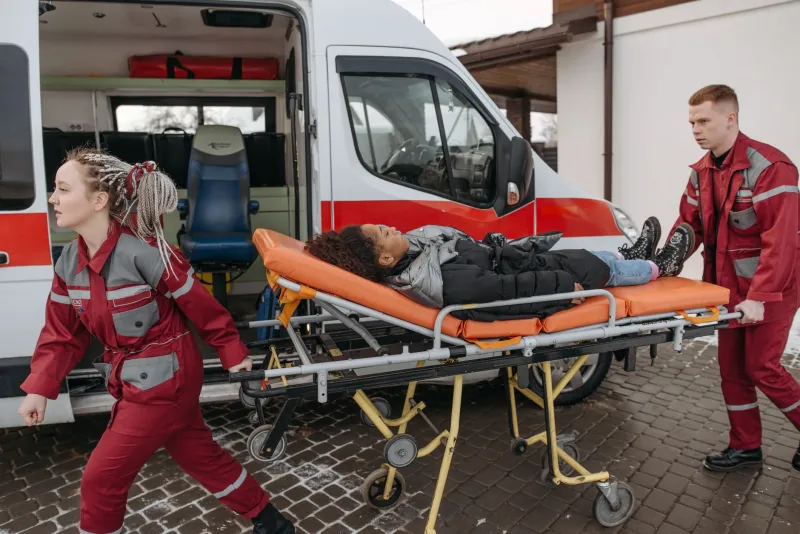
Step 1: Call 911 immediately. Do not wait to see if the person improves on their own. Heat stroke is a medical emergency requiring advanced care. Make the call first.
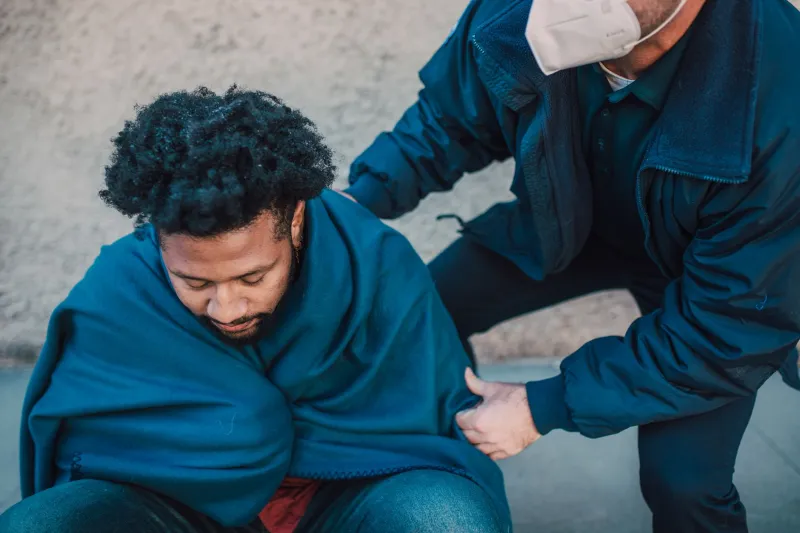
Step 2: Move the person to a cool environment. Get them out of direct sunlight and into air conditioning if possible. Shade is better than nothing, but an air-conditioned building, car, or facility is far superior.
Step 3: Begin aggressive cooling without delay. The most effective method available to bystanders is cold water immersion—submerging the person in a tub, large cooler, or any available container filled with cold water and ice. Research consistently shows this is the fastest way to reduce core body temperature. If immersion is not possible, apply ice packs or cold, wet towels to the neck, armpits, and groin, where major blood vessels run close to the skin. Fan the person continuously.
Step 4: Monitor their level of consciousness. If the person loses consciousness and stops breathing normally, be prepared to begin CPR. Ensure that anyone nearby has called 911 and can guide emergency responders to your exact location.
Step 5: Do not give fluids to an unconscious or severely confused person. While hydration is important in less severe cases of heat illness, forcing fluids into someone who cannot swallow safely creates a serious choking and aspiration risk.
Prevention Is a Community Responsibility
No single bystander can prevent every heat emergency, but communities can create environments that dramatically reduce the risk. Coaches, gym staff, race directors, and park supervisors all play a role in establishing protective norms.
Adequate hydration protocols, mandatory rest periods during high-heat conditions, and access to cooling stations at outdoor events are not optional amenities—they are safety infrastructure. Organizations like the National Athletic Trainers' Association have published guidelines recommending that outdoor athletic practices be modified or suspended when the heat index exceeds certain thresholds. Communities that adopt and enforce these standards save lives.
Bystanders can also contribute simply by speaking up. If you notice a fellow gym member showing signs of heat exhaustion during a group fitness class, or a youth soccer player stumbling on a hot turf field, saying something is an act of courage and community care. The culture of pushing through pain has its place in athletic achievement—but it has no place when organ damage and death are on the table.
Carry the Knowledge, Not Just the Water Bottle
Americans invest enormously in their physical fitness. They purchase premium gear, hire personal trainers, and track every metric of their performance. Yet very few carry the most important piece of equipment available to any active person: the knowledge of what to do when the body's cooling system fails.
At Save Heroes, we believe that being prepared for emergencies is not separate from living an active, healthy life—it is an essential part of it. Whether you are a parent watching your teenager's Friday night game, a regular at your local YMCA, or a volunteer at a community road race, the ability to recognize and respond to a heat emergency makes you a more complete and capable member of your community.
The gym bag may carry everything a person needs to perform at their best. Make sure it also carries the knowledge to help them—and those around them—survive.