Glucose, Crisis, and You: Recognizing a Diabetic Emergency and Acting Fast Before Help Arrives
More than 37 million Americans live with diabetes, and tens of millions more are undiagnosed or prediabetic. That means that on any given day—at the office, at a Little League game, in the checkout line at your local grocery store—you may find yourself standing next to someone whose blood sugar is spiraling out of control. When that happens, the person most likely to intervene first is not a paramedic or a nurse. It is you.
Diabetic emergencies are among the most common medical crises bystanders encounter, yet they remain widely misunderstood. Many people confuse the signs with intoxication, confusion, or anxiety. Others freeze because they are unsure whether to act. This guide is designed to change that. Understanding the two primary types of diabetic emergencies—and knowing precisely what to do in each case—can help you become the prepared, confident responder every community needs.
Understanding the Two Faces of a Diabetic Crisis
Not all diabetic emergencies look alike. The two most urgent situations you are likely to encounter are severe hypoglycemia (dangerously low blood sugar) and a hyperglycemic crisis (dangerously high blood sugar). While both require prompt attention, they present differently and call for distinct responses.
Severe Hypoglycemia occurs when blood glucose drops below safe levels—typically under 70 mg/dL, with emergencies often occurring below 54 mg/dL. This can happen rapidly, sometimes within minutes, particularly if a person with diabetes has taken insulin, skipped a meal, or engaged in unexpected physical activity. The brain, which depends almost entirely on glucose for fuel, begins to malfunction quickly.
Signs of severe hypoglycemia include:
- Sudden confusion, slurred speech, or disorientation
- Trembling or shakiness
- Pale, clammy skin
- Rapid heartbeat
- Extreme irritability or unusual aggression
- Seizures or loss of consciousness in advanced cases
Hyperglycemic crises—including diabetic ketoacidosis (DKA) and hyperosmolar hyperglycemic state (HHS)—develop more gradually, often over hours or days. These occur when blood sugar rises to dangerous levels, frequently due to missed medication, illness, or undiagnosed diabetes.
Signs of a hyperglycemic crisis include:
- Excessive thirst and frequent urination
- Fruity or acetone-like breath (a hallmark of DKA)
- Nausea, vomiting, or abdominal pain
- Deep, labored breathing
- Profound fatigue and weakness
- Gradual confusion or altered consciousness
Because hyperglycemic emergencies develop slowly, you are far more likely to encounter someone in the early stages rather than full collapse. However, both types of crisis can escalate to unconsciousness and become life-threatening without intervention.
The Challenge of Recognition: Why Bystanders Often Miss It
One of the greatest obstacles in diabetic emergencies is misidentification. A person experiencing severe hypoglycemia may appear drunk—stumbling, slurring words, acting erratically. This mistaken assumption causes dangerous delays in assistance. Similarly, someone in a hyperglycemic state may seem merely ill or exhausted, prompting bystanders to suggest they "sit down and rest" rather than call for help.
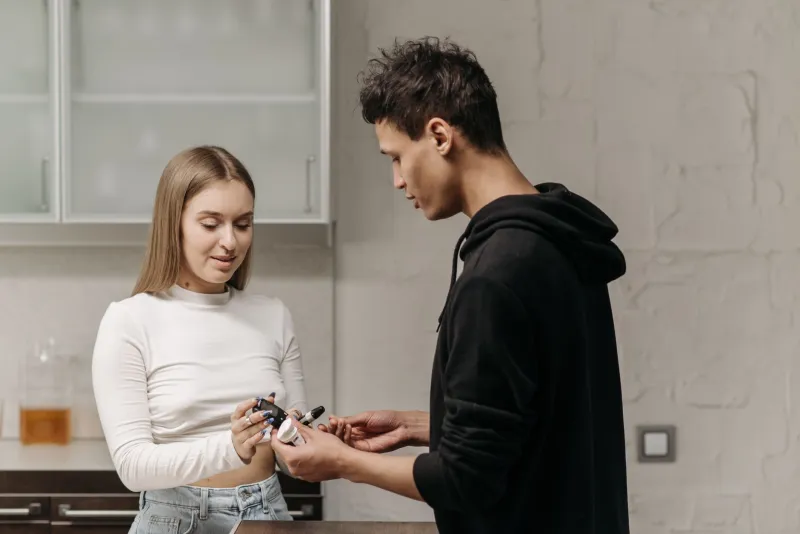
If you observe any combination of the symptoms listed above, particularly in someone who appears otherwise healthy, consider a diabetic emergency as a serious possibility. Look for medical alert jewelry—bracelets or necklaces engraved with "diabetic" or "insulin dependent" are common. Check for an insulin pump, glucose meter, or glucose gel in a nearby bag or pocket. Many people with diabetes carry these items precisely because they anticipate the need for emergency assistance.
Do not assume. Do not wait. Ask.
Immediate Action Steps: What to Do in the First Minutes
Step 1: Assess the Situation and Call 911
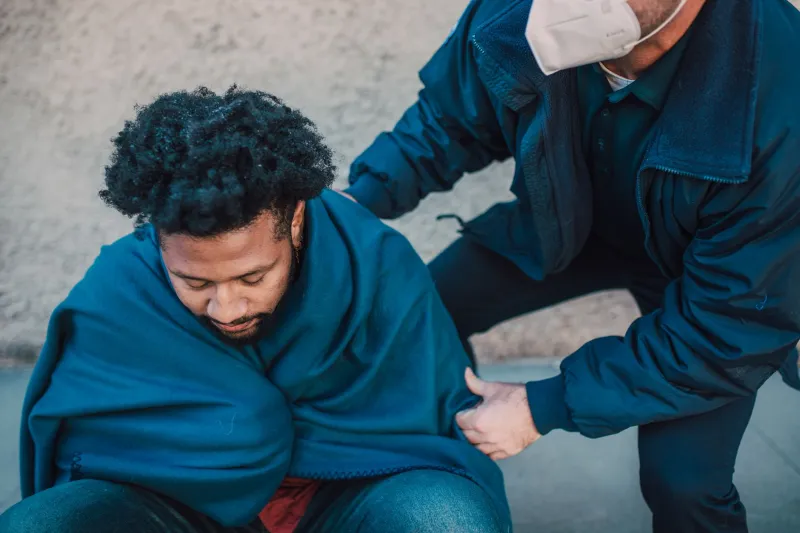
If someone appears confused, unresponsive, or is having a seizure, call 911 immediately. Do not delay emergency services while you attempt to diagnose the situation. Time is critical in any diabetic emergency, and paramedics carry equipment that can measure blood glucose and administer intravenous glucose or glucagon—tools unavailable to bystanders.
While waiting for EMS, remain with the person, keep them calm, and monitor their breathing and level of consciousness.
Step 2: If the Person Is Conscious and Can Swallow, Offer Fast-Acting Sugar
For someone who is alert, responsive, and able to swallow safely, administering glucose is your most powerful immediate intervention in a suspected hypoglycemic episode. The American Diabetes Association recommends the 15-15 Rule:
- Give 15 grams of fast-acting carbohydrates
- Wait 15 minutes and reassess
Common sources of 15 grams of fast-acting carbohydrates include:
- 4 ounces (half a cup) of fruit juice or regular soda
- 3 to 4 glucose tablets (widely available at pharmacies)
- 1 tablespoon of honey or sugar
- Glucose gel (often carried by people with diabetes)
If symptoms do not improve after 15 minutes and EMS has not yet arrived, repeat the process. Do not attempt to give food or liquid to someone who is unconscious or having a seizure—this poses a serious choking risk.
Step 3: Do Not Attempt to Treat a Hyperglycemic Crisis with Sugar
This is a critical distinction. If you suspect a hyperglycemic emergency rather than hypoglycemia, do not administer sugar or sugary beverages. Doing so could worsen the crisis. In this scenario, your role is to call 911, keep the person still and comfortable, loosen any restrictive clothing, and monitor their condition until help arrives.
If you are uncertain which type of emergency you are facing and the person is conscious, ask them. Many individuals with diabetes are well-acquainted with their condition and can guide you. If they are unable to communicate and you have glucose available, the general medical guidance is that giving sugar to someone who does not need it is far less dangerous than withholding it from someone experiencing a hypoglycemic emergency.
Step 4: Communicate Clearly with Emergency Responders
When EMS arrives, provide a concise, organized account of what you observed. Note the time symptoms began, any actions you took, what the person consumed if anything, and any medical identification you found. This information can significantly accelerate appropriate treatment.
Prevention Starts with Community Awareness
Prepared communities are safer communities. Encouraging the people around you—coworkers, neighbors, fellow parents—to learn the basics of diabetic emergency recognition costs nothing and could save a life. Consider asking your workplace or school to stock glucose tablets in first aid kits. Advocate for diabetes awareness training in community centers and places of worship.
At Save Heroes, we believe that lifesaving knowledge belongs to everyone, not just those with medical credentials. A diabetic emergency does not announce itself with flashing lights. It arrives quietly, in ordinary moments, among ordinary people. And it is ordinary people—prepared, attentive, and willing to act—who make the difference.
You Are Already More Prepared Than You Think
You do not need a medical degree to help someone in diabetic distress. You need awareness, calm, and the willingness to take action. Recognize the signs. Call 911 without hesitation. Administer glucose safely when appropriate. Communicate clearly. These four steps, practiced and remembered, place a remarkable amount of lifesaving power in your hands.
Diabetes affects virtually every community in America. The next time you witness someone in apparent distress, you will be ready to look beyond the surface—and respond like the prepared, empowered hero your community needs.