From Hives to Crisis: Knowing When a Mild Allergic Reaction Becomes a Life-or-Death Emergency

Every year, emergency departments across the United States treat approximately 200,000 cases of anaphylaxis. Roughly 200 of those patients do not survive. What separates many of the survivors from those who do not make it is not always the proximity of a hospital or the speed of an ambulance — it is the quality of intervention that occurred in the minutes before professional help arrived.
The uncomfortable truth is that anaphylaxis rarely announces itself with obvious drama. It begins quietly, often masquerading as a routine allergic response — a patch of hives, a sneeze, a slight throat tickle. For an untrained bystander, the temptation to wait and observe is entirely understandable. But that waiting period, well-intentioned as it may be, can cost a life.
This article is designed to close that knowledge gap. By understanding how severe allergic reactions escalate, what triggers them, and how to make clear-headed decisions under pressure, you can become the kind of prepared community member who makes a measurable difference.
What Actually Happens During Anaphylaxis
To act effectively, it helps to understand the biology. Anaphylaxis is a severe, systemic allergic reaction triggered when the immune system overreacts to a substance it has identified — incorrectly — as a threat. In response, it floods the body with chemicals including histamine, which causes blood vessels to dilate rapidly and tissues to swell.
The consequences of this cascade are wide-ranging and can affect multiple organ systems simultaneously. Blood pressure can drop to dangerous levels. Airways can constrict or swell shut. The heart may beat irregularly. Fluid can leak from blood vessels into surrounding tissue, compounding circulatory collapse. This is not a localized rash or a runny nose — it is a body in systemic distress.
The speed of onset varies. Some reactions progress from first symptom to life-threatening emergency in under five minutes. Others develop over 30 minutes or more. A small percentage of cases involve what clinicians call a biphasic reaction, in which symptoms appear to resolve and then return hours later — sometimes more severely than the initial episode.
Recognizing the Most Common Triggers
In the United States, the most frequently identified triggers for anaphylaxis fall into three broad categories: foods, insect stings, and medications.
Food allergens are responsible for the majority of anaphylaxis cases, particularly among children and young adults. The most common culprits — peanuts, tree nuts, shellfish, fish, milk, eggs, wheat, and soy — are found in a wide range of everyday foods, including many that are not obviously labeled. Cross-contamination during food preparation is a significant risk, even in restaurants with good intentions.
Insect stings, particularly from bees, wasps, yellow jackets, and hornets, account for a substantial portion of adult anaphylaxis cases. The reaction is caused not by the sting itself but by the venom injected into the skin. Notably, individuals who have had only mild reactions to previous stings can still experience severe anaphylaxis on a subsequent exposure — prior tolerance is not a reliable predictor of future safety.
Medication reactions are especially common in clinical and hospital settings but can occur anywhere. Penicillin and related antibiotics are among the most frequently implicated drugs, though aspirin, nonsteroidal anti-inflammatory drugs (NSAIDs), and certain contrast dyes used in medical imaging also carry elevated risk.
Latex and exercise — particularly exercise following ingestion of a specific food — are less common but well-documented triggers that bystanders should be aware of.
The Spectrum: Mild Reaction vs. True Emergency
Not every allergic response requires emergency intervention, but every response deserves careful attention. The following framework can help a bystander assess severity in real time.
Signs of a mild to moderate allergic reaction include localized hives or itching, a runny nose, watery eyes, mild stomach discomfort, and slight redness or swelling at the site of contact or sting. These symptoms are uncomfortable but not immediately dangerous. They do warrant close monitoring and, when in doubt, a call to a healthcare provider.
Signs that a severe reaction is underway — and that immediate action is required — include:
- Swelling of the lips, tongue, or throat
- Difficulty breathing, wheezing, or a hoarse voice
- A sensation of tightness in the chest
- Dizziness, lightheadedness, or sudden weakness
- Pale, clammy, or bluish skin
- A rapid or irregular heartbeat
- A sudden and significant drop in blood pressure
- Nausea, vomiting, or loss of bowel control
- Confusion, anxiety, or a sense of impending doom (a phrase patients frequently use and one that should never be dismissed)
- Loss of consciousness
If two or more body systems are involved — for example, skin symptoms combined with respiratory distress — treat the situation as anaphylaxis and act immediately.
The Decision-Making Framework: When to Act and How
When you suspect anaphylaxis, the decision to act should not be delayed by uncertainty. The following sequence reflects current first aid guidance and is designed to be executed quickly.
Step 1: Call 911 immediately. Even if epinephrine is available and administered, emergency services must be contacted. Anaphylaxis can recur, and professional evaluation is always required.
Step 2: Administer epinephrine if available. Epinephrine — delivered via auto-injector such as an EpiPen — is the only first-line treatment for anaphylaxis. It works by constricting blood vessels, relaxing airway muscles, and reversing many of the systemic effects of the allergic cascade. If the person has a prescribed auto-injector and is unable to self-administer, a trained bystander should do so without hesitation. Inject into the outer thigh, through clothing if necessary. Note the time of administration and report it to arriving paramedics.
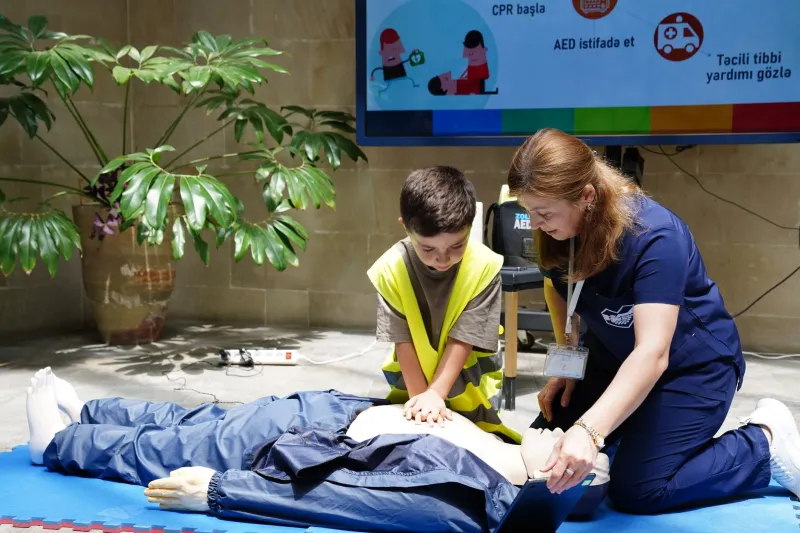
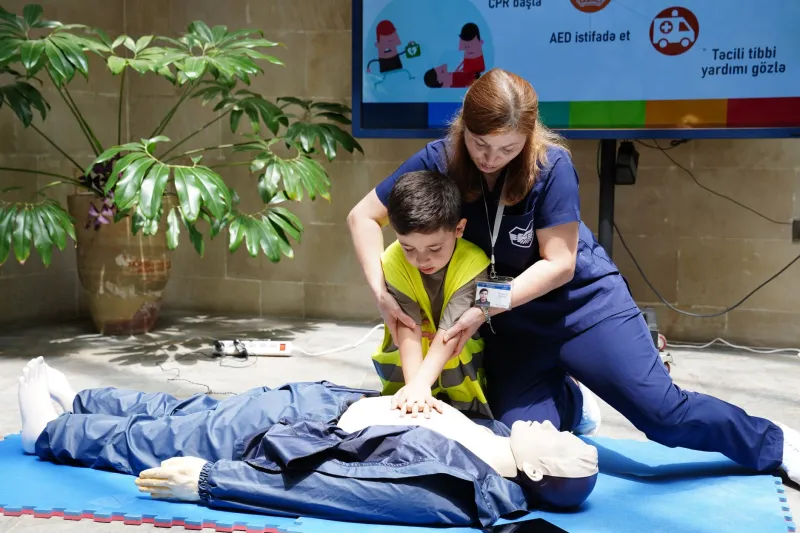
Step 3: Position the person appropriately. If the individual is conscious and having difficulty breathing, assist them into a seated upright position. If they are lightheaded or show signs of shock, lay them flat with their legs elevated — unless this worsens their breathing. If they lose consciousness and are not breathing normally, begin CPR.
Step 4: Be prepared to administer a second dose. If symptoms do not improve within five to fifteen minutes and a second auto-injector is available, a second dose may be administered. This is particularly relevant in cases where the initial dose was given late in the reaction's progression.
Step 5: Stay with the person until EMS arrives. Reassure them, monitor their condition continuously, and be prepared to relay a clear account of what you observed — including the suspected trigger, the timeline of symptom onset, and what interventions were performed.
Building Confidence Before an Emergency Occurs
Knowledge applied under pressure is only as reliable as the preparation that preceded it. Bystanders who have practiced the steps above — even mentally — respond more effectively than those encountering the information for the first time during a crisis.
Consider taking a formal first aid course that includes anaphylaxis response. Many community organizations, including local chapters of the American Red Cross and American Heart Association, offer accessible training programs. Encourage family members, coworkers, and neighbors to do the same. If someone in your household or community has a known severe allergy, familiarize yourself with the location of their auto-injector and how to use it.
The window between the first symptom and a life-threatening emergency can be measured in minutes. What you do inside that window — or what you know to do — may be the most consequential decision of your day.
At Save Heroes, we believe that emergency preparedness is not a specialty skill reserved for medical professionals. It is a civic responsibility that every American can and should embrace. Learning to recognize and respond to anaphylaxis is one of the most direct ways an ordinary person can protect the people around them. The knowledge costs nothing. The impact can be everything.